
Shoulder Pain Treatment & Rehab in Melbourne
We Help Active Individuals Go From Pain to Pain-Free and Back to High Performance.
01 SHOULDER TREATMENT
Receive Expert Movement Based Care
Shoulder pain is the third most common musculoskeletal complaint in active people — behind the knee and low back. The shoulder's remarkable mobility makes it inherently reliant on muscular stability, which means that when rotator cuff strength, scapular control, or thoracic mobility is compromised, the joint becomes vulnerable to both acute injury and chronic overuse.
At Pinnacle Rehab and Performance, shoulder rehabilitation addresses the entire upper quadrant — the glenohumeral joint, scapula, thoracic spine, and the sport-specific demands of your activity — not just the site of pain.
02 HOW IT WORKS
Our Approach to Shoulder Rehab/Treatment
Shoulder rehabilitation at Pinnacle starts with understanding the relationship between your injury, your training history, and your movement patterns. Many shoulder presentations involve contributing factors from the thoracic spine and scapular stabilisers that are rarely addressed in standard clinical management.
The Four Phases
01
Pain Reduction
Load modification, manual therapy to the glenohumeral joint, thoracic spine, and surrounding soft tissue
02
Restore Movement
Restore mobility and scapular control — thoracic mobility, glenohumeral rotation, and early rotator cuff activation
03
Strength and Endurance
Rotator cuff and scapular strength — progressive loading through external rotation, protraction, and depression exercises; building the foundation for overhead and throwing movements
04
Return to Activity
Overhead pressing, pulling, throwing mechanics, and return-to-sport criteria specific to your activity
Most shoulder pain management stops at Phase 1 — your symptoms only get managed, and sessions end. The problem is that "feeling better" and "being ready to train" are not the same thing. Shoulders require progressive loading and is the primary evidence-based treatment. Scapular control and thoracic mobility are equally critical but often overlooked in standard management.
At Pinnacle Rehab and Performance, sessions are 60 minutes, 1-on-1, with the same clinician. You get a structured program with clear milestones delivered via our training app (TrainHeroic), and your return-to-sport goals are built into the plan from day one — not added as an afterthought.
What Makes This Approach Different?
03 HOW IS IT DIFFERENT
04. SHOULDER CONDITIONS
Specific Shoulder Injuries/Conditions That We Treat
The shoulder is the most mobile joint in the body, which makes it the most injury-prone in overhead athletes, throwing sports, swimming, climbing, and gym training. Understanding the structure of your injury determines the appropriate rehabilitation pathway.
Rotator Cuff Tendinopathy/Tear
Bicep Tendinopathy
AC Joint Sprain
Shoulder Dislocation/Subluxation
Shoulder Impingement
Bursitis
Labral Tear
Non-specific Shoulder Pain
Frozen Shoulder/Adhesive Capsulitis
05. COMMON QUESTIONS
Still have questions? Take a look at the FAQ or reach out anytime.
Questions about sports chiropractic, injury management or how Pinnacle Rehab and Performance can help you? — answered directly.
Shoulder Pain Questions
-
Not necessarily. Many rotator cuff tears — particularly partial-thickness tears and full-thickness tears in people with lower activity demands — respond well to conservative rehabilitation. Surgery is generally considered when conservative management over an adequate period has failed, when there is a complete tear with significant functional loss, or when the individual's activity demands require surgical restoration of full tendon integrity. A thorough clinical assessment, including imaging review, helps clarify the appropriate pathway.
-
Timelines vary significantly by diagnosis and severity. Mild rotator cuff tendinopathy may improve substantially within 6–8 weeks of targeted loading. More complex presentations — full-thickness tears, post-surgical rehabilitation, frozen shoulder — typically require 3–6 months of structured management. Frozen shoulder in particular has a well-documented natural history of 1–3 years, though appropriate management significantly reduces symptom duration and functional limitation.
-
Rotator cuff tendinopathy is the structural change in the tendon that results from repeated load. The key for management is identifying which structures are involved, what's driving the compression or overload, and building a progressive loading program to restore tendon capacity.
-
"Shoulder impingement" is now know to not be a useful diagnosis as there is no evidence that shoulder impingement exists or contributes to pain.
Modern evidence suggests it is a multi-factorial condition such as: loading, tissue factors, and other health related factors.
-
The key difference is the integration of clinical and evidence-based chiropractic care with a genuine strength and conditioning background — and the structure of sessions.
Every appointment is 60 minutes, 1-on-1, with the same clinician. Rehabilitation is structured across clear phases with objective milestones, with the goal of full return to sport and performance — not just pain relief.
-
Yes. Online rehab consultations are available for those outside Melbourne or who prefer remote access.
Online sessions include full assessment, program design, and ongoing coaching support via the TrainHeroic app.
These are available across Australia and around the world.
06. LOCATIONS
Two Melbourne Clinics.
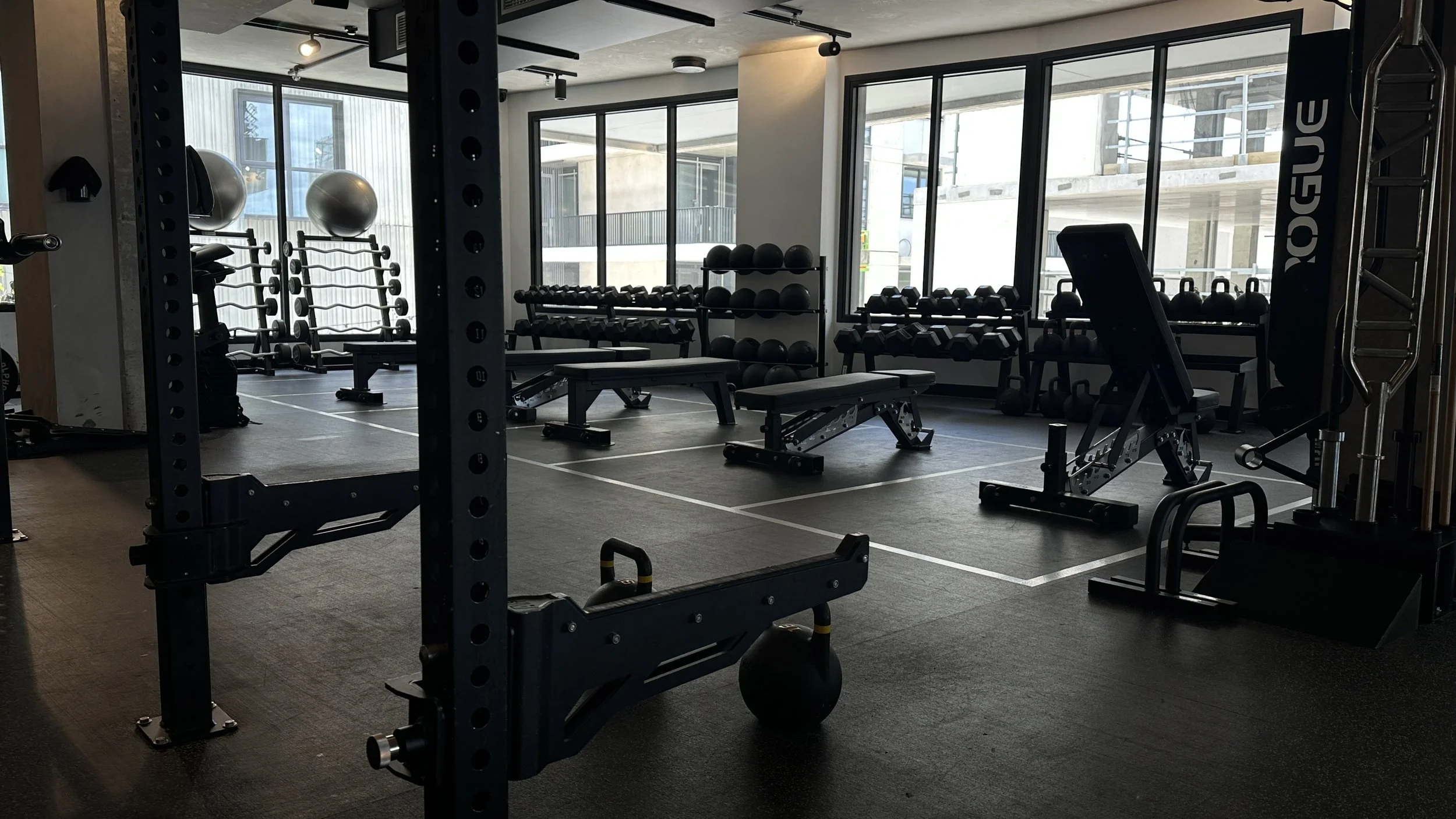
East Brunswick
Unit 102/6 Bluestone Way Brunswick East, VIC, 3057
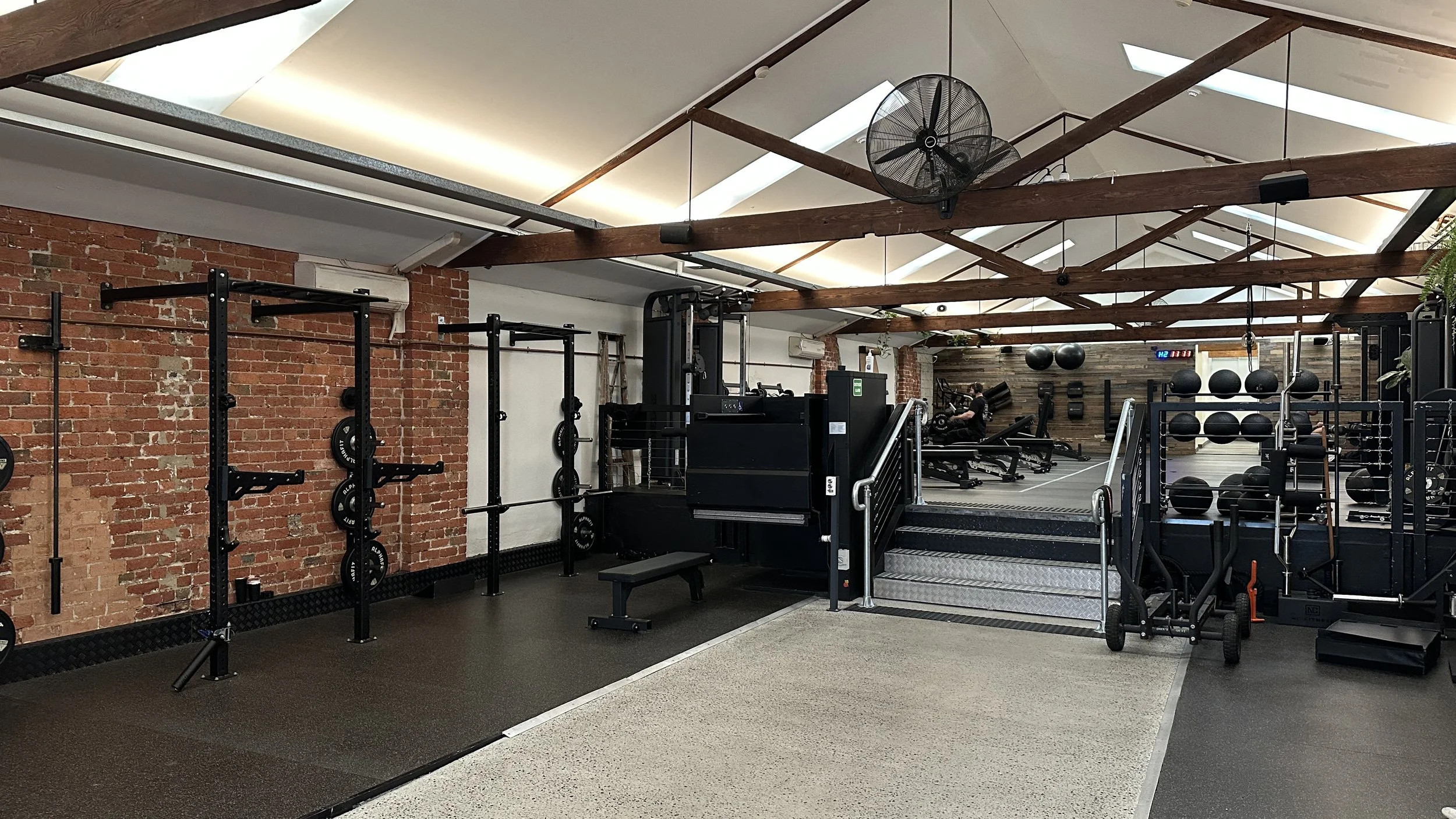
West Melbourne
45 Batman St. (Inside Project Better) West Melbourne, VIC, 3003