

Therapy and Rehab for Foot and Ankle Pain in Melbourne
We Help Active Individuals go from Pain to Pain-free and Back to High Performance.
01 FOOT & ANKLE TREATMENT
Receive Expert Movement Based Care
Foot and ankle injuries are among the most undertreated in sport and general physical activity.
Ankle sprains are often dismissed as minor — "just rest it for a week" — despite the fact that poorly managed ankle sprains are one of the strongest predictors of re-injury and chronic ankle instability. Achilles tendinopathy and plantar fasciitis are similarly mismanaged with passive treatments that don't address the underlying load deficit.
At Pinnacle Rehab and Performance, foot and ankle rehabilitation is structured to restore full load tolerance and return you to unrestricted activity — whether that's running, sport, or training in the gym.
02 HOW IT WORKS
Our Approach to Foot & Ankle Rehab/Treatment
Ankle and foot rehabilitation at Pinnacle addresses both the local structures and the broader movement system. Ankle mobility deficits, in particular, have significant consequences for knee and hip loading — these are assessed and addressed as part of every lower limb presentation.
The Four Phases
01
Pain Reduction
Manual therapy, soft tissue work, and load modification to reduce irritability and restore basic movement
02
Restore Movement
Restore mobility and proprioception — ankle dorsiflexion, inversion/eversion strength, and balance training
03
Strength and Endurance
Progressive loading through compound and sport-specific movements — • — progressive calf strengthening, foot intrinsic work, and progressive return to impact activities
04
Return to Activity
Sport-specific loading, training integration, and criteria-based discharge — you leave with the strength and capacity to stay injury-free
Most foot &ankle management stops at Phase 1 — you feel better, and sessions end. The problem is that "feeling better" and "being ready to train" are not the same thing. Recurrence rates for foot & ankle pain in athletes are high and often affect other joints upstream (ex. knee, hip and low back).
At Pinnacle Rehab and Performance, sessions are 60 minutes, 1-on-1, with the same clinician. You get a structured program with clear milestones delivered via our training app (TrainHeroic), and your return-to-sport goals are built into the plan from day one — not added as an afterthought.
What Makes This Approach Different?
03 HOW IS IT DIFFERENT
04. FOOT & ANKLE INJURIES
Specific Foot and Ankle Injuries/Conditions That We Treat
The foot and ankle form the foundation of all lower limb movement. Deficits in ankle mobility and foot strength have upstream effects on knee, hip, and lumbar spine loading — making thorough management of foot and ankle injuries critical for the whole lower limb.
Chronic Ankle Instability
Ankle Sprain (Medial and Lateral)
High Ankle Sprains
Achilles Tendinopathy/Rupture
Plantar Fasciopathy/Fasciitis
Posterior Tibialis Tendinopathy
Stress Fractures
Fracture
Tendinopathy of Peroneals or Tibialis Posterior
Arthritis
Bunions
05. COMMON QUESTIONS
Still have questions? Take a look at the FAQ or reach out anytime.
Questions about sports chiropractic, injury management or how Pinnacle Rehab and Performance can help you? — answered directly.
Foot & Ankle Questions
-
Rarely. Current evidence supports early movement and progressive loading following ankle sprains — complete rest slows recovery and increases the risk of chronic instability. The key is progressing load appropriately: protect the joint in the early acute phase, then systematically rebuild strength and proprioception before returning to full activity.
-
With appropriate management — progressive loading, activity modification, and consistent adherence — most people see significant improvement within 8–12 weeks, with full capacity restoration taking 3–6 months depending on severity. Trying to rush the process with passive treatments or returning to full load too early are the most common causes of prolonged timelines.
-
The key difference is the integration of clinical and evidence-based chiropractic care with a genuine strength and conditioning background — and the structure of sessions.
Every appointment is 60 minutes, 1-on-1, with the same clinician. Rehabilitation is structured across clear phases with objective milestones, with the goal of full return to sport and performance — not just pain relief.
-
In most cases, yes. Chronic ankle instability is highly amenable to conservative rehabilitation — specifically, progressive strengthening of the peroneal muscles, proprioceptive retraining, and structured return to sport. Surgery (ligament reconstruction) is generally considered when conservative management over an adequate period has failed, or in cases of significant structural ligament disruption.
-
Yes. Online rehab consultations are available for those outside Melbourne or who prefer remote access.
Online sessions include full assessment, program design, and ongoing coaching support via the TrainHeroic app.
These are available across Australia and around the world.
06. LOCATIONS
Two Melbourne Clinics.
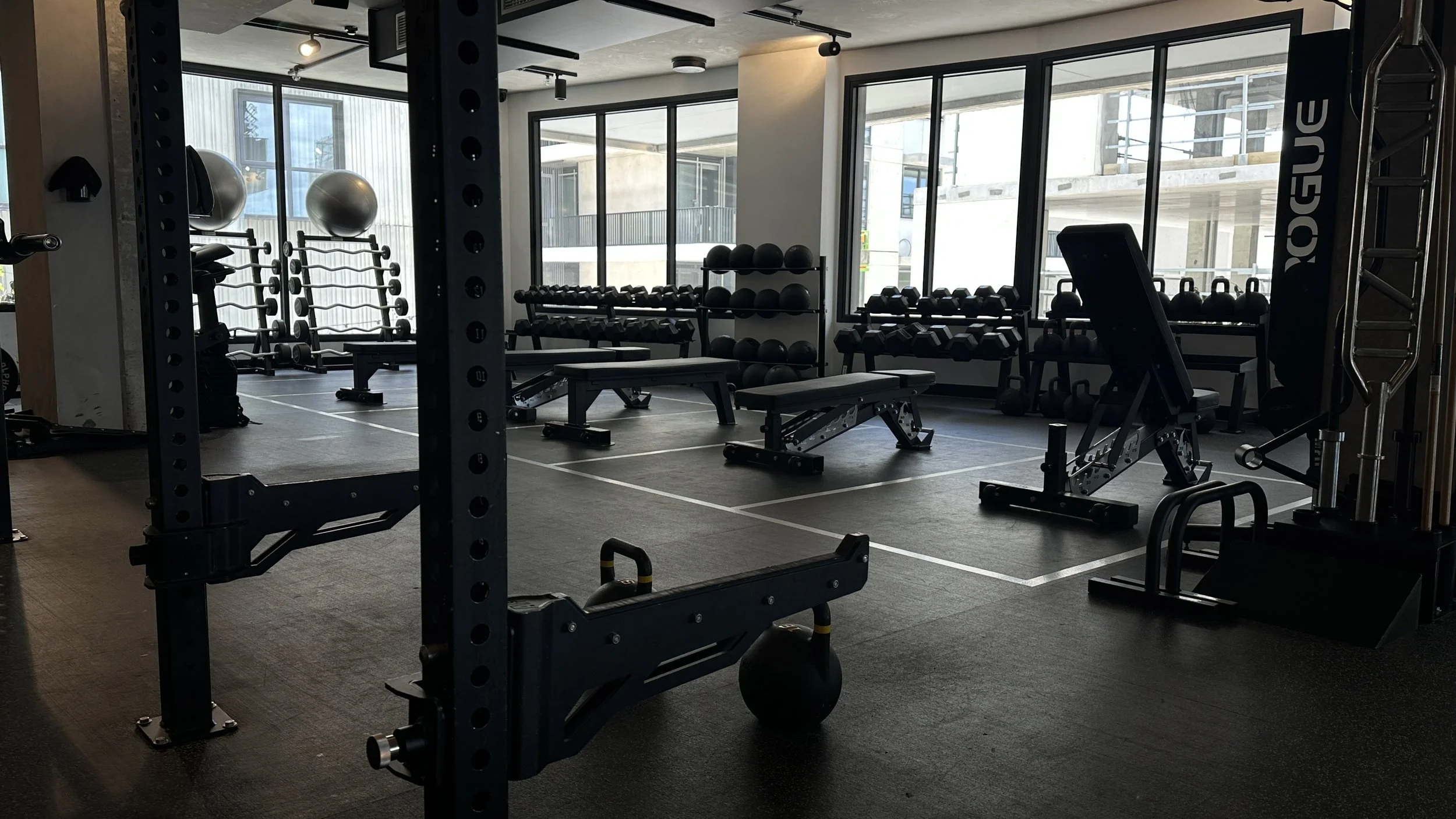
East Brunswick
Unit 102/6 Bluestone Way Brunswick East, VIC, 3057
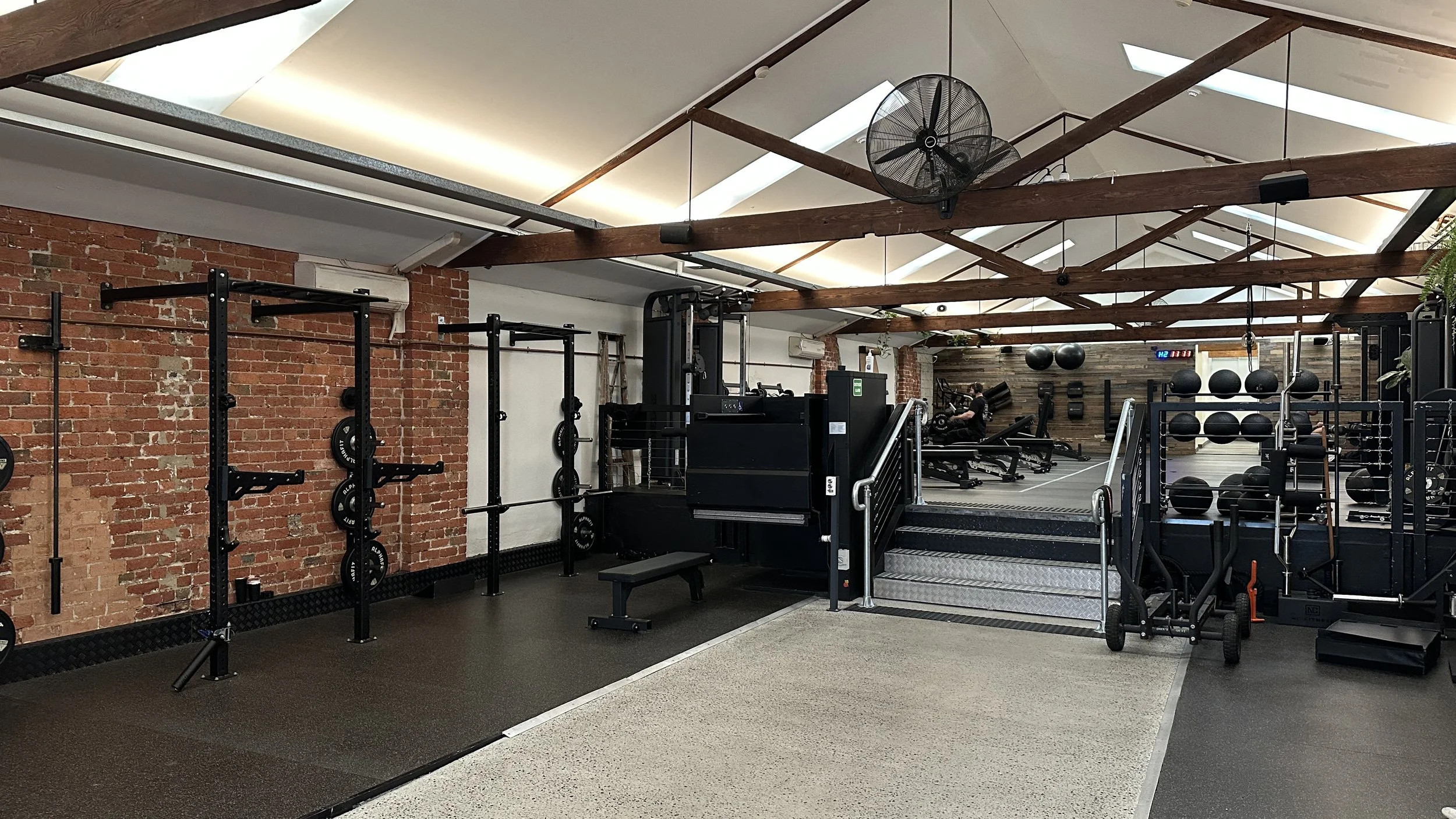
West Melbourne
45 Batman St. (Inside Project Better) West Melbourne, VIC, 3003