
Hip Pain Treatment & Rehab in Melbourne
We Help Active Individuals go from pain to Pain-free and back to high performance.
01 HIP TREATMENT
Receive Expert Movement Based Care
Hip pain in active people is frequently misdiagnosed, mismanaged, or simply managed too passively.
Conditions like gluteal tendinopathy, femoroacetabular impingement (FAI), and labral tears require specific, load-based rehabilitation — not just stretching, massage, and rest.
At Pinnacle Rehab and Performance, hip rehabilitation is built around the understanding that the hip is the engine of the lower limb. Deficits in hip strength and control don't just cause hip pain — they contribute to knee, ankle, and low back injuries as well.
02 HOW IT WORKS
Our Approach to Hip Pain Rehab/Treatment
Hip rehabilitation at Pinnacle begins with a thorough assessment of the hip joint, surrounding musculature, and adjacent regions — particularly the lumbar spine and knee. Many hip pain presentations involve compensatory patterns from other areas, and treating the hip in isolation often produces incomplete results.
The Four Phases
01
Pain Reduction
Load modification, manual therapy, and targeted soft tissue work to create a window for rehabilitation
02
Restore Movement
Hip mobility work combined with initial loading of the relevant structures (tendons, capsule, surrounding musculature)
03
Strength and Endurance
Progressive hip loading through single-leg exercises, compound movements, and sport-specific patterns; addressing gluteal, hip flexor, and adductor strength deficits
04
Return to Activity
Sport-specific loading, training integration, and criteria-based discharge — you leave with the strength and capacity to stay injury-free
03 HOW IS IT DIFFERENT
Most hip pain treatment are commonly mismanaged (ex. gluteal tendinopathy, FAI) — you feel better, and sessions end OR they make you feel worse. The problem is that most treatment are a 1 size fits all. It doesn’t account for you and how your hip pain looks and presents.
At Pinnacle Rehab and Performance, sessions are 60 minutes, 1-on-1, with the same clinician. You get a structured program with clear milestones delivered via our training app (TrainHeroic), and your return-to-sport goals are built into the plan from day one — not added as an afterthought.
What Makes This Approach Different?
05. HIP CONDITIONS
Specific Hip Injuries/Conditions That We Treat
The hip joint and surrounding musculature are under significant demand in most sports and training activities. Hip pain is commonly multifactorial — involving joint pathology, tendon load issues, and movement pattern deficits simultaneously.
Femoral Acetabular Impingement (FAI)
Hip Dysplasia/Arthritis
Labral Tear
Muscle Strain and Tendinopathy
Hamstring Strain/Tendinopathy
Quadricep Strain/Tendinopathy
Adductor Strain/Tendinopathy (Groin)
Gluteal Tendinopathy
Ischial Bursitis
Trochanteric Burisits
Trochanteric Pain Syndrome
IT Band Syndrome
Osteitis Pubis
Piriformis Syndrome
06. COMMON QUESTIONS
Frequently Asked About Hip Pain
Still have questions? Take a look at the FAQ or reach out anytime.
Questions about sports chiropractic, injury management or how Pinnacle Rehab and Performance can help you? — answered directly.
-
Gluteal tendinopathy is treated with progressive tendon loading — starting with isometric exercises and building through isotonic and functional loading over 8–12 weeks. Load management (reducing high-compression positions), posture modification, and education are equally important. Passive treatments like massage or electrotherapy may reduce short-term discomfort but do not restore tendon capacity.
-
Yes. Many people with FAI morphology manage their condition very effectively with conservative rehabilitation — improving hip strength, movement quality, and load management to reduce symptoms and maintain activity. Surgery is considered when conservative management over an adequate period has not produced sufficient improvement. A thorough clinical assessment helps clarify which path is most appropriate for each individual.
-
These two conditions are often grouped under "greater trochanteric pain syndrome" and frequently occur together. The distinction matters for management: bursitis involves inflammation of the bursa, while tendinopathy involves structural changes within the tendon. Current evidence suggests that in most chronic presentations, the tendinopathy component is the primary driver — and progressive loading (not passive treatment) is the most effective long-term management.
-
Hip clicking (snapping hip syndrome) is common and in many cases is not associated with pain or structural damage. When clicking is painless, it often requires no specific treatment. When it is painful or associated with other symptoms, it warrants assessment to identify whether there is underlying joint or tendon pathology that needs to be addressed.
-
It varies by individual and condition. Most clients achieve full recovery in about 6-12 weeks, and many choose to continue with ongoing training for long-term performance.
-
Each session is a full 60 minutes of one-on-one care with your therapist - that way your appointments are not rushed and you have the highest quality of care.
-
Yes. Online rehab consultations are available for those outside Melbourne or who prefer remote access.
Online sessions include full assessment, program design, and ongoing coaching support via the TrainHeroic app.
These are available across Australia and around the world.
-
Many of our clients come to us after traditional PT hasn’t helped. We focus on finding and treating root causes — not just symptoms — and create a plan tailored to your body and goals.
07. LOCATIONS
Two Melbourne Clinics.
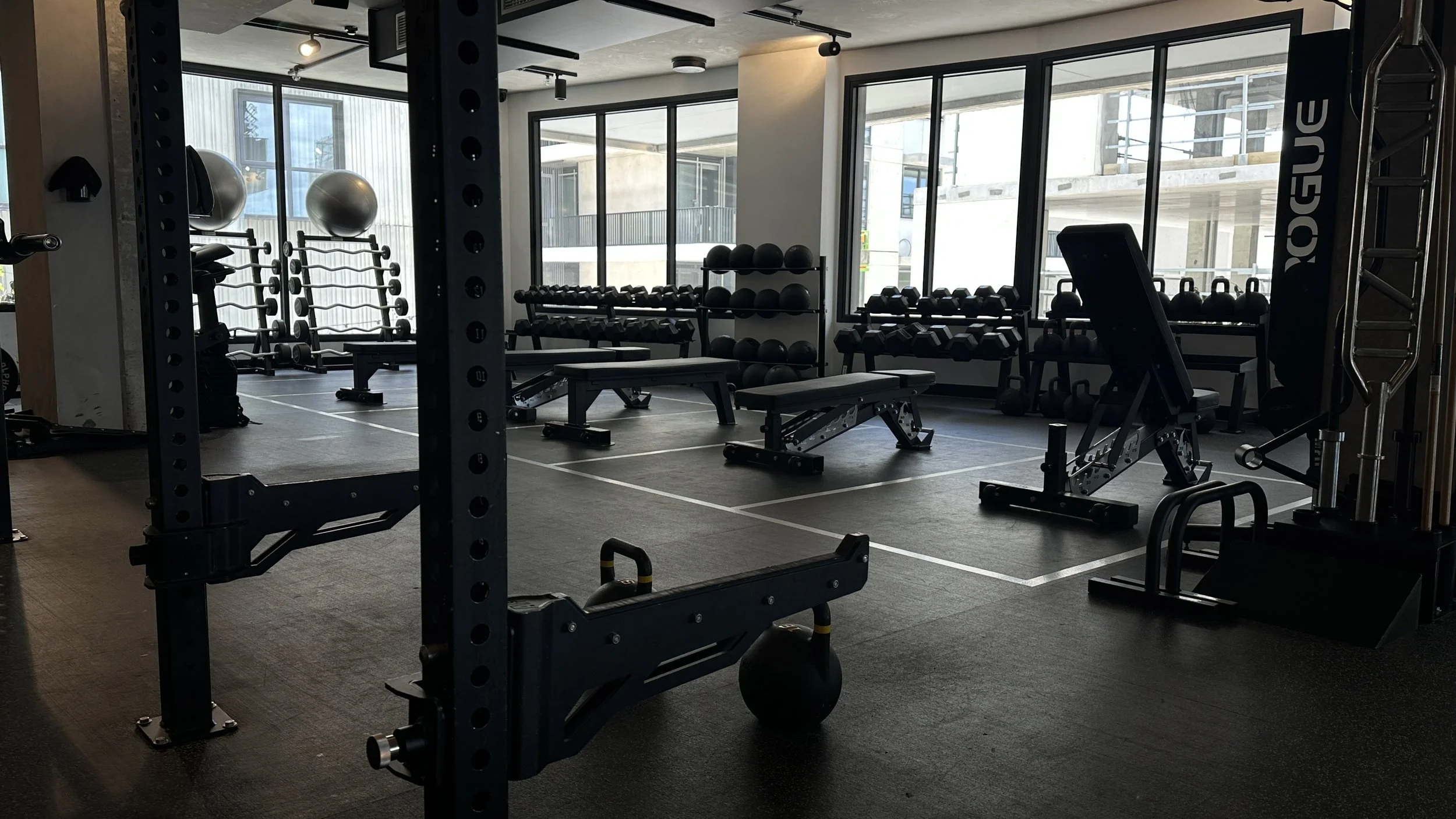
East Brunswick
Unit 102/6 Bluestone Way Brunswick East, VIC, 3057
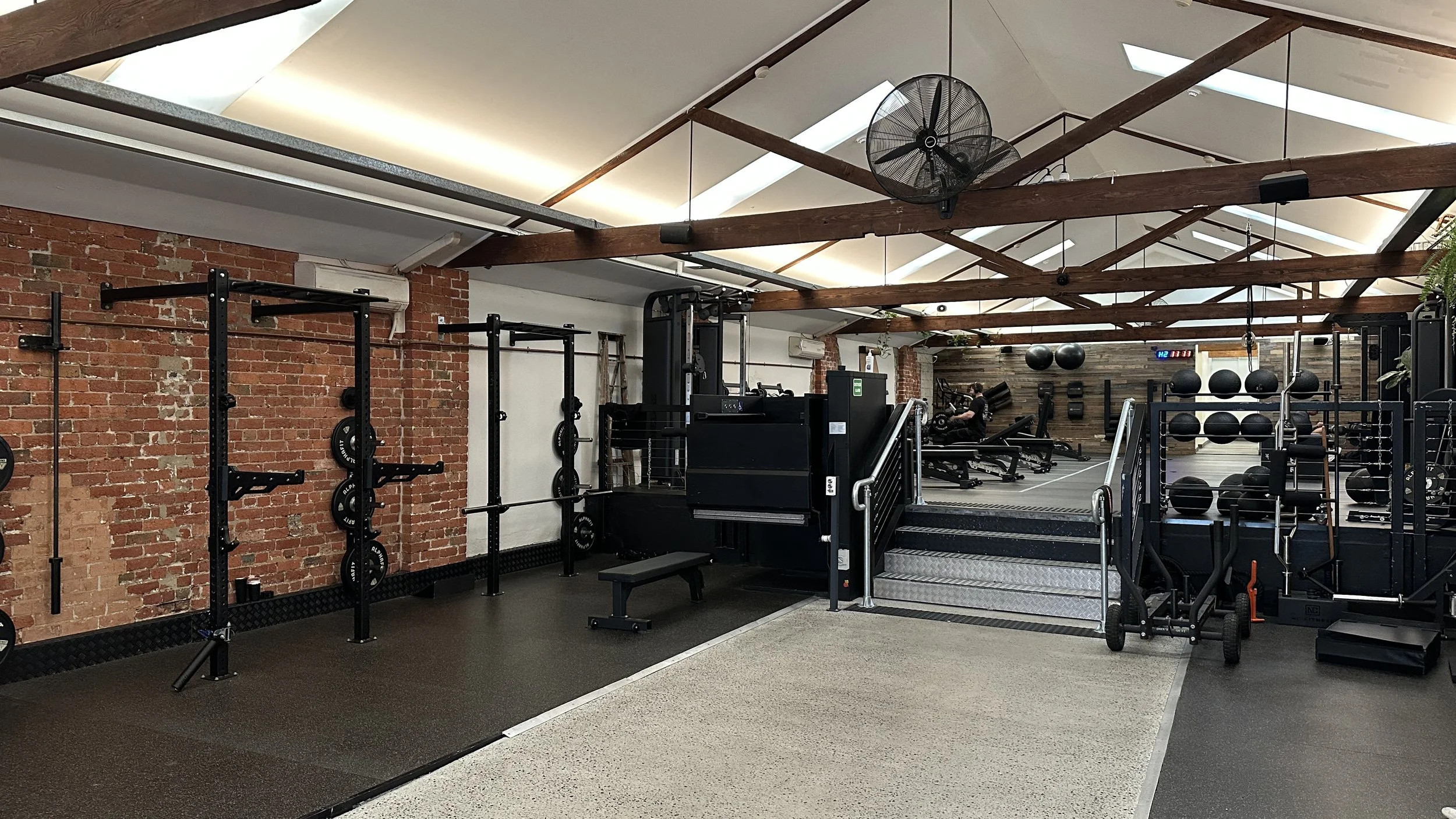
West Melbourne
45 Batman St. (Inside Project Better) West Melbourne, VIC, 3003